
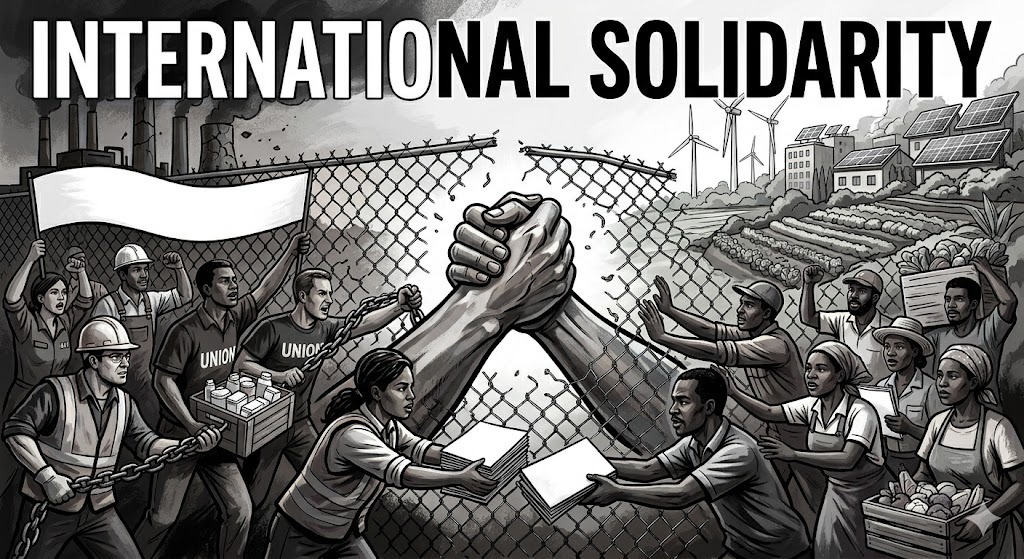
International Solidarity in Crisis Capitalism
The Current Crisis of Capital in the Core
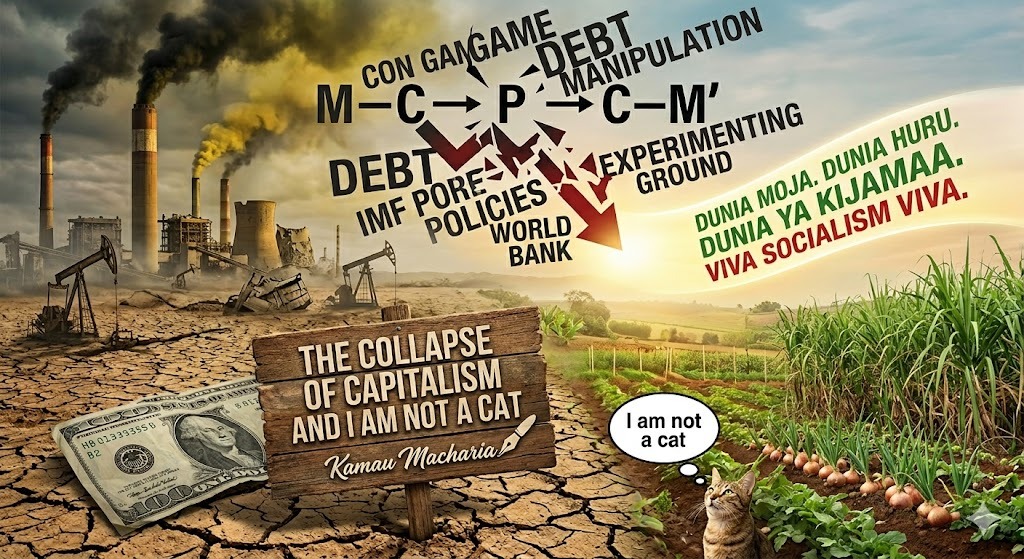
Capitalism is a crisis ridden economic system. Even in times of “prosperity,” there are victims – those who suffer. From peasants driven from their land to toil in factories for bare subsistence wages in conditions unsafe for them and their families at the dawn of industrialism to present day workers in the global south being poisoned while mining the materials necessary for the digital world, capitalism has never been a victimless crime. Now, the imperialist core – led by the United States – finds itself running out of ways to prop up the system, which has been headed for collapse for decades slowed down only by economic bubbles, military spending, and debt.
The present United States regime is desperate to avoid collapse. Its efforts to stop that collapse include: the imposition of tariffs, which are essentially taxes on workers designed to lower their standard of living and ultimately reduce the value of their labor power; militarization – in order to fatten up the military industrial complex, which includes the genocide in Palestine, the colonial war in Ukraine, and preparation for war with China and Venezuela; and, the gutting of funding for social programs. The purpose of all these efforts is to fill the pockets of the capitalists with booty extracted through the suffering of the working classes.
The cutting of funding for social programs and the reduction in the value of workers' labor power through tariffs are designed to increase profits while lowering workers' standard of living. The effects of a reduced standard of living could theoretically include a modest decrease in the disparity between workers in the core and those in the periphery, but that seems unlikely given the drive toward austerity in the global south. Thus, workers in the core will most certainly remain part of the “labor aristocracy.”
The Dilemma for Activist Workers in the Core
Workers in the global core will continue to have their standard of living supported on the backs of workers in the periphery due to the unequal exchange caused by imperialism. That means those living in the core will continue economically to benefit from the lower labor and material costs in the periphery. This presents a dilemma for those who understand that we must quickly move towards socialism to avoid the ravages of climate change and to achieve that better world with improved living standards for all we know is possible.
The dilemma is essentially that it is not in the short-term material interests of workers in the core to push back too hard against capitalism lest they lose the benefits of the imperialist unequal exchange. It is therefore unlikely that workers in the core will – at least in the short to medium term – extend their struggle beyond economism and to larger demands meant to challenge the capitalist system.
The consequences of this dilemma in the core plays out in numerous ways. Leaders of large US legacy unions, such as the Teamsters and United Auto Workers, the labor aristocracy of the labor aristocracy, support many of the Trump administration's policies including imposition of tariffs, attacks on immigrants, military spending, and war-mongering. While members of these and other unions have made repeated demands for sanctions against Israel, for example, leaders have repeatedly thwarted those efforts. Repeated attempts to replace the backwards leaders of US unions have had poor results as demonstrated by the current Teamsters' leadership embrace of Trump.
The US labor movement has essentially been colonized by backwards union leadership, a comprador class skimming its share of worker created surplus value, just as the capitalist class, with whom they combine to maintain the status quo. This leaves US workers mired in what are often two front wars – against both the capitalists and the leader of their unions - simply to make economic gains from their work. Union leaders generally ostracize workers who dare challenge this and do everything they can to isolate those workers from the struggle.
While there certainly are socialists and internationalists struggling in the US and other areas of the core, the working classes of the core appear to be a long way off from mounting a serious challenge to capitalism. The dilemma for activist workers in the core presents itself as developing tactics to reach the longer-term strategic goal of socialism.
Unequal Exchange as Point of Struggle
It is axiomatic that the capitalist system depends on the relations of production enabling the forces of production. As long as the relations of production do not hinder the forces of production, it is unlikely (some say virtually impossible) that we will move beyond capitalism to socialism.
It seems therefore that, tactically, our efforts – if we are revolutionaries – must be to disrupt those relations of production. The unequal exchange between the core and the periphery is a relation imposed on all workers despite the benefits that relation provides for working classes in the core. All workers would benefit in the long term from the disruption of this relation and all workers should work in solidarity towards that disruption.
Such a disruption could result from core workers supporting efforts to equalize exchange through raising the value of labor power, like worker struggles, in the periphery and providing support for proletarian struggles to control raw materials and other resources in the periphery. The point of these efforts, in addition to the improvement of the lives of people in the periphery, would be to choke off from capital cheap labor, raw materials, and other underpriced resources.
What does International Solidarity Entail?
Working classes in the periphery are not (as) inhibited in their struggle by current material conditions. They have much materially to gain and very little, if anything, materially to lose by demanding fundamental change. We must recognize, however, that struggle in the periphery often results in responses by those in power that are much more violent and personally consequential than responses in the core.
What then are some basic outlines of what such a solidarity could be? First, we must develop relationships so that we can educate each other and discover together what is needed. The views of activists in the core often do not correspond with the views of those in the periphery. For example, many leftists in the core see China, and their Belt and Roads Initiative, as beneficial to all, including as an offset to damage caused by imperialism and as simply of material benefit to the people of the peripheral areas within which it operates. This view is not uncontroversial in the periphery. This is an area ripe for discussion as is the view, common in both the core and the periphery, that the union leaders and bureaucrats do not prioritize the well-being of workers. These are both areas, and there are others, about which workers and activists can learn from each other.
Second, activists in the core need to learn about the current struggles in the periphery and vice versa. This will help us understand the current state of things and help us determine how best to contribute. Then once we determine how to help each other we must do the work.
Third, we should work together to develop good theory that can lead to action and then to better theory. Although there is a movement in the core to move away from Western Marxism, a theory essentially opposed to actually existing socialism, theory in the core has not sufficiently embraced the thinking of revolutionaries in the periphery. That would include such thinkers as Nkumrah, Sankara, Rodney, and Cabral. Studying these thinkers together, while not forgetting Marx, Engels, Lenin, and Mao, is a way for us learn from each other and move away from Western Marxism towards a solid anti-capitalist theory. As we use that theory to guide our actions, we will be able to develop better, and more useful, theory.
Fourth, struggle requires resources and we must be communists in this regard. That means those who have must be willing to share. Generally, this will mean that those in the core should help fund struggles in the periphery. This will not only serve as material assistance to peripheral struggles, but also will help those in the core stay interested in outcomes since they will have a stake in them. In addition, fund raising efforts can be combined with educational programming, which would also further the struggle.
These are preliminary first steps that will help us move toward a pan-proletarian struggle. As we do so we will learn what works and what doesn't.
Economism in the Periphery
Lenin was very critical in his writing of economism, that is worker demands limited to economic benefit like better pay and working conditions. This is not, however, a criticism that holds as strongly when applied to the imperial periphery. It is a valid criticism where the forces of production are well developed as in the imperial core but that is not the case in much of the periphery.
If our focus is on unequal exchange as a relation that supports the current order, we must recognize that underdeveloped forces of production in the periphery are both a cause of and result of that relation. What that means is that more development of the forces of production in the periphery would be upsetting to the relation of unequal exchange. Thus, there is a dialectical relationship that could – and should – be exploited in our international struggle.
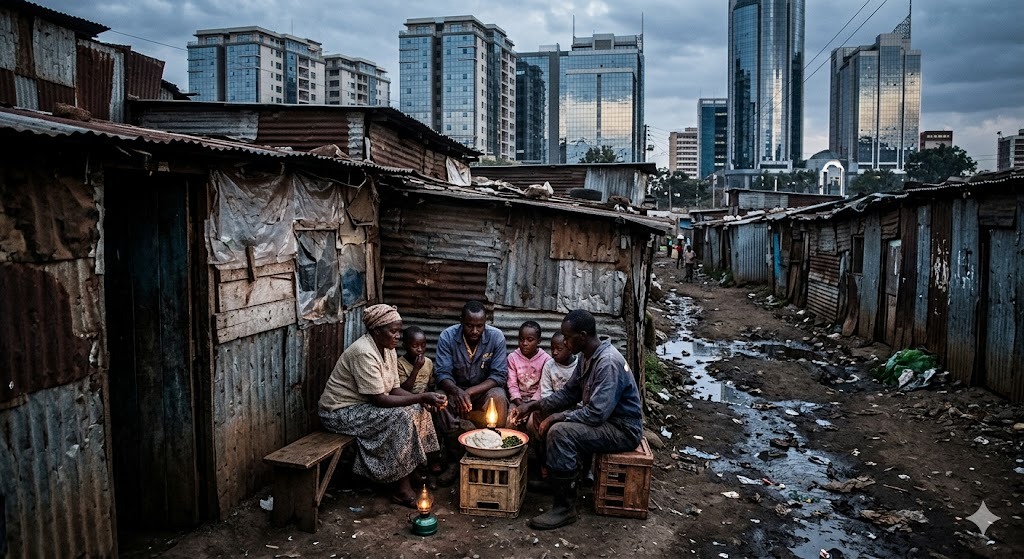
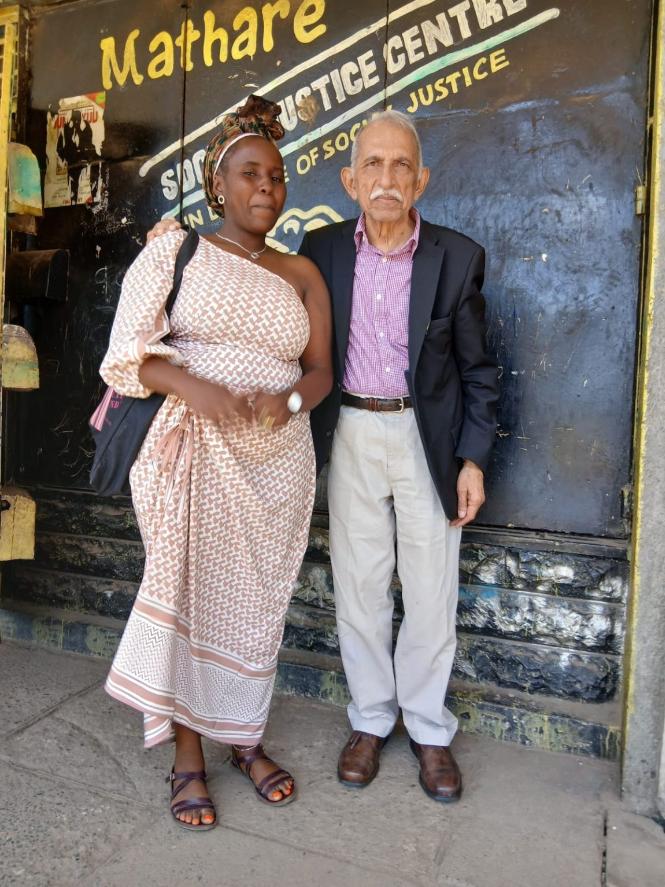
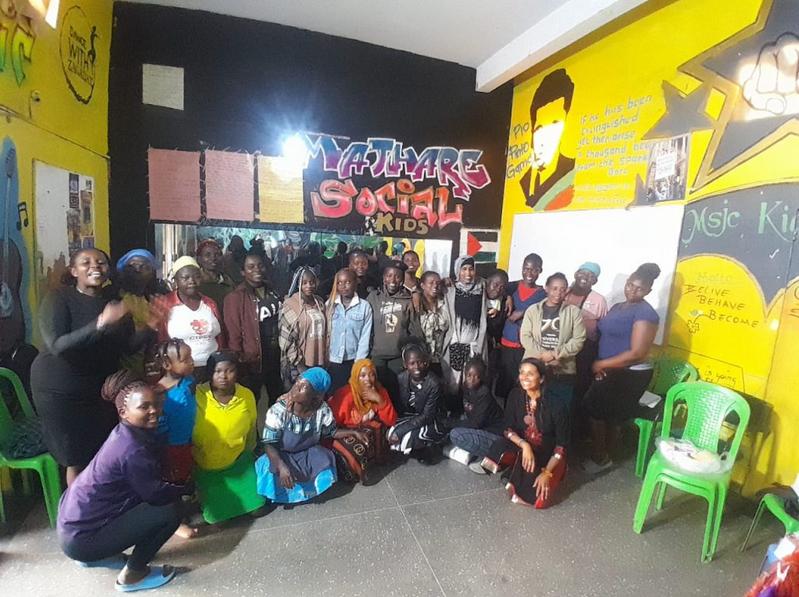
I learned during my recent trip to Nairobi and Mombasa that there are huge profits being extracted in Kenya. The port in Mombasa is well developed and modern. And the industrial sector of Nairobi is likewise. The working classes, however, live in conditions that are extremely underdeveloped. For example, the roads in areas outside the industrial cores of both cities are in such a state of disrepair that travel seems excessively damaging to the automobiles, buses, and tuktuks used to get around. The costs of this damage to vehicles, which are the main source of income for many, are clearly excessive and diminish the earning power of those transit workers. There are other examples, such as the lack of potable water and decent sewage systems, for which demands for improvement should be supported.
These conditions are certainly related to the value of labor power in those cities. An increase in that value, which would be an economic demand, would contribute to diminishing somewhat the unequal exchange relation upon which the international capitalist system depends. Thus, in addition to the items discussed above, part of international solidarity could soundly include support of economist demands in the periphery.
Conclusion
Capitalism is a destructive force. While the working classes of the world toil in conditions that differ according to geography, the destruction of our environment is at hand. Those in the imperial periphery are likely to suffer sooner than those in the core but it's just a matter of time for everyone. The material conditions of our existence are our interactions with each other and nature. It is that metabolism of nature that enables our existence. We must work together to save our environment and each other. Socialism is our hope for the future and international solidarity between the working classes is the way forward to realize that hope. Solidarity!!






0 Comments